
Key Market Intelligence on January 16th, How Much Did You Miss?



Featured News
1.Binance Alpha Adds LLM, SEKOIA, and PYTHIA
3.Avalon Labs Joins ai16z and Other Institutions to Support AI Agent Hackathon
4.Multiple Pension Funds in the UK and Australia Recently Allocate Bitcoin in Small Amounts
Trending Topics
Source: Overheard on CT (tg: @overheardonct), Kaito
JUP: Today's primary discussion about JUP centered around the Jupuary 2025 airdrop verification tool launched by Jupiter Exchange. This initiative has generated great excitement and participation within the community. The airdrop's structure aims to reward active users, holders, and growth initiatives, distributing a total of 7 billion JUP tokens. Community members are actively checking their allocations, sharing results, and expressing gratitude or concerns about the distribution process. This event has also sparked discussions on the transparency and fairness of the allocation system, as well as the future potential of JUP as a leading token in the cryptocurrency space.
XRP: Due to XRP's price surpassing $3 for the first time (since 2018) and driven by speculation surrounding a potential ETF listing and active accumulation by whale accounts, XRP has become the focal point of discussions. The U.S. Securities and Exchange Commission's (SEC) lawsuit against Ripple, seeking to classify XRP as a security, has heightened the debate. Furthermore, XRP's market cap has exceeded that of major companies like Disney and BlackRock, leading to speculations that XRP may surpass Ethereum's market cap. The community holds an optimistic view of XRP's future, with some predicting it could reach $14.
KAITO: Today, the Twitter discussion about KAITO highlighted its growing influence in the SocialFi field, with many users excited about the potential of earning "Yaps" as social capital. Users shared strategies to maximize Yaps, emphasizing the importance of engaging with smart followers and creating high-quality content. The platform is redefining value creation in Web3 by rewarding meaningful social interactions, receiving praise, and widely seen as a potential game-changer in the crypto social layer.
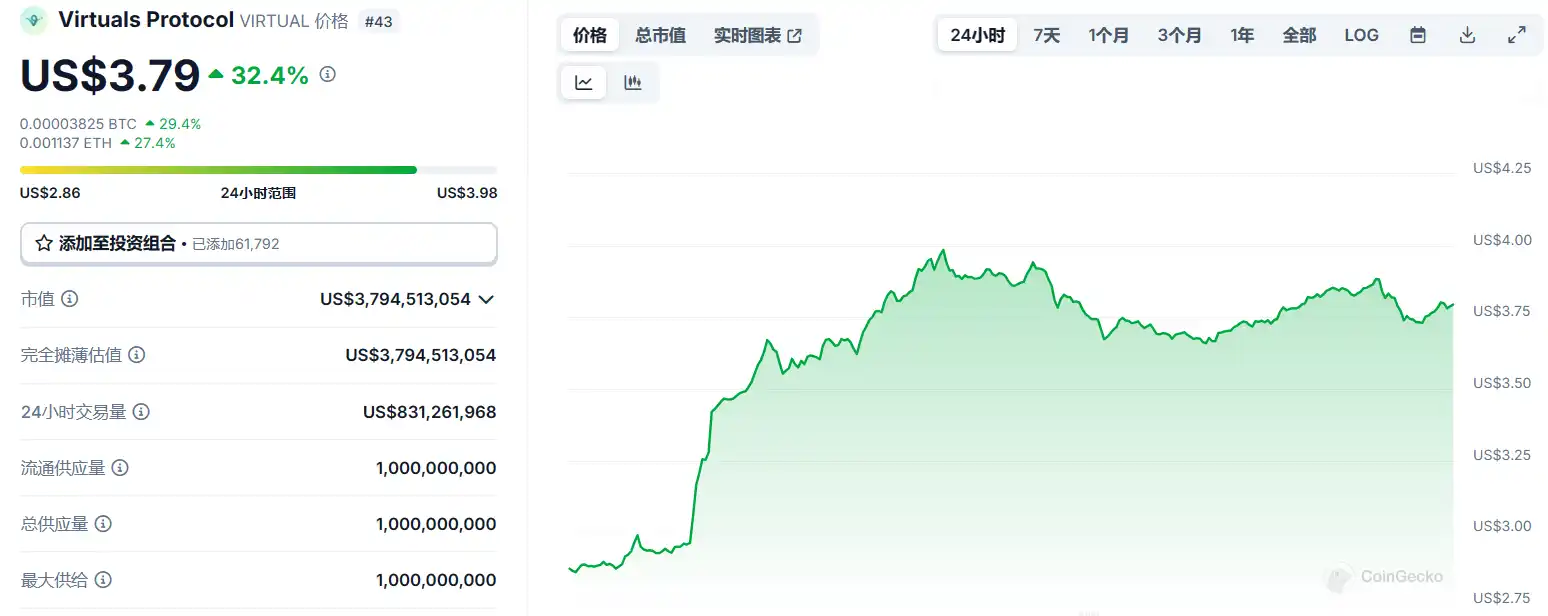
VIRTUAL: Today, VIRTUAL garnered widespread attention due to announcing a $40 million buyback and burn program aimed at supporting ecosystem agents, leading to a surge in its token price. The Virtuals protocol also introduced a new value accrual mechanism, distributing post-tax revenue to creators, affiliates, and sub-DAOs. This move is seen as supporting ecosystem builders and enhancing the long-term value of the VIRTUAL token. The market reacted positively to this initiative, with significant price boosts for many agents, recognizing the Virtuals protocol for its innovative approach to supporting AI agents and fostering a strong ecosystem.
Threads & Tweets
1. Solana AI Hackathon results, @sendaifun

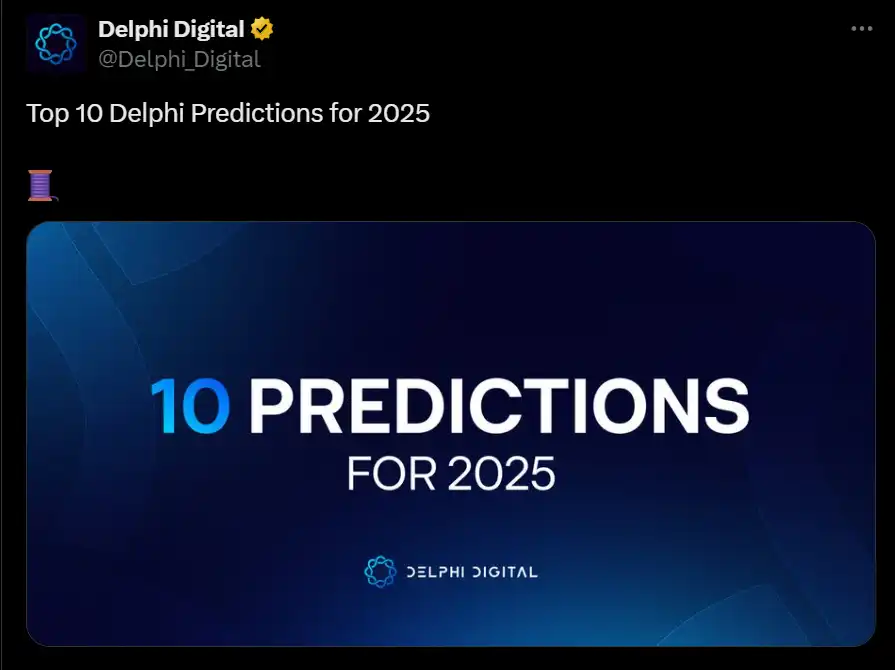
2. Delphi's Top 10 Predictions for 2025, @Delphi_Digital
Featured Articles
1. "21 New AI Projects, Solana AI Hackathon's Four Tracks Explained"
Zhouzhou, BlockBeats
According to the latest information this morning, the results of the Solana AI Hackathon hosted by SendAI were just released! After 15 days of intense competition, with over 400 projects participating, 21 stood out, sharing over $275,000 in prizes.
2.《DeFi Track Valuation Quadruples in One Week, Which Tokens Are Worth Watching?》
Original Article Translation: Ashley, BlockBeats
This Solana AI hackathon focuses on the intersection of cryptocurrency and artificial intelligence innovation, attracting development teams from around the world. Below is an analysis of ten representative projects.
Top Gainers & Losers
Token Price Movement on January 16, ranked by trading volume
Top Gainer
1.$VIRTUAL
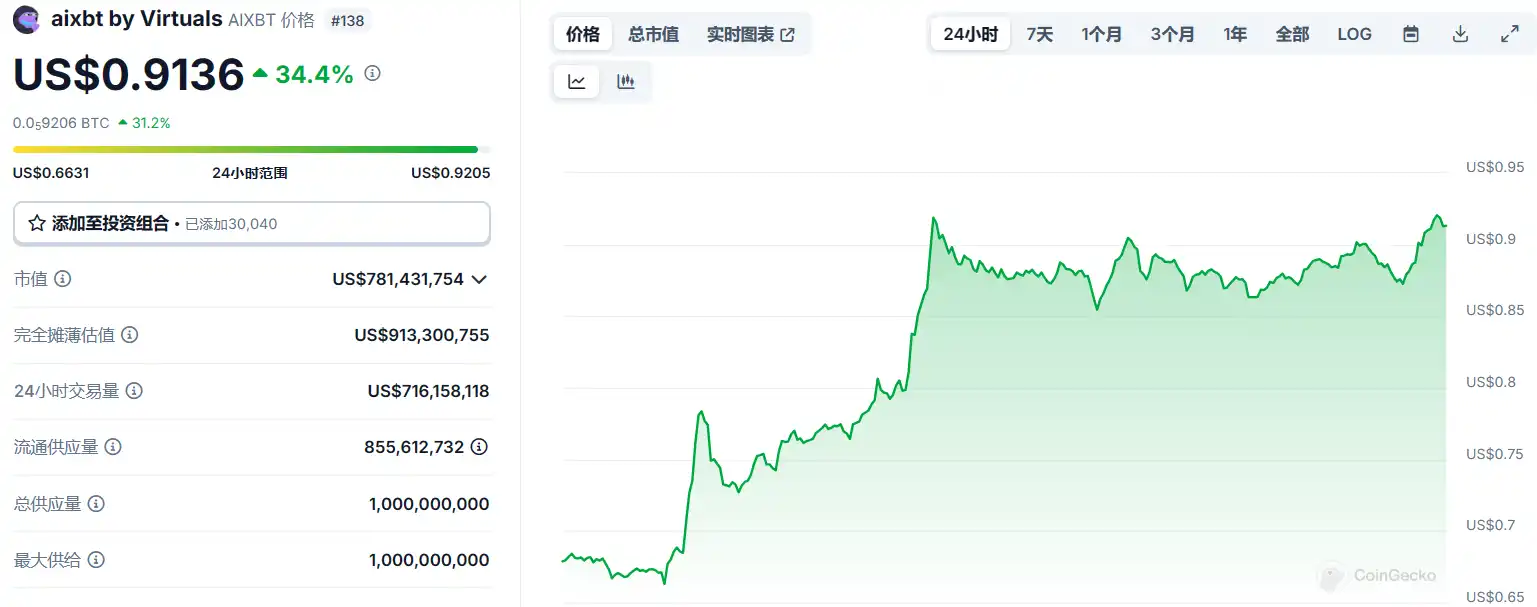
2.$AIXBT
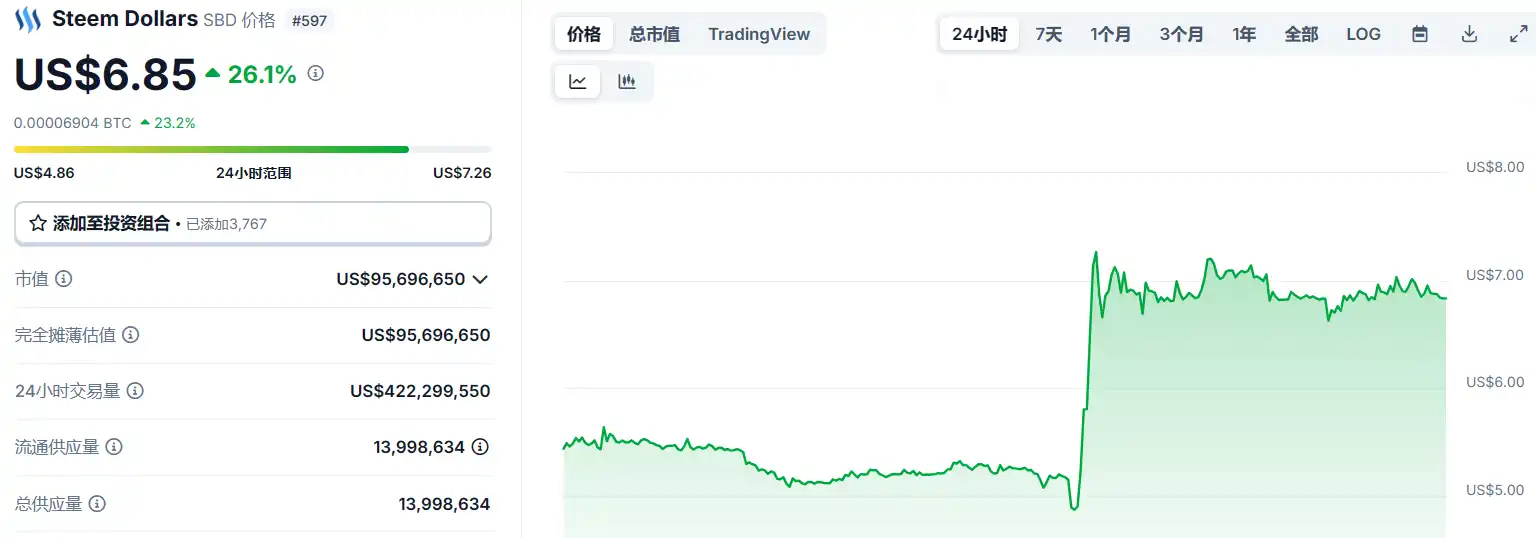
3.$SBD
Top Loser
1.$GAME
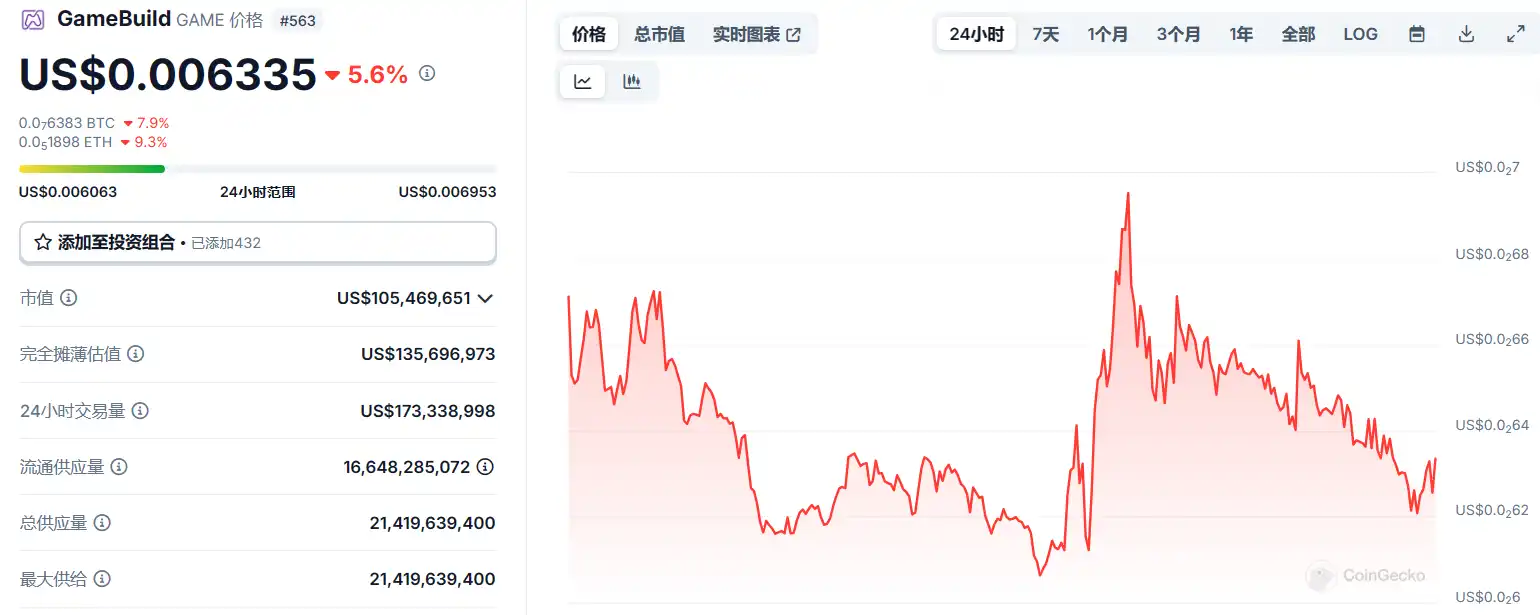
2.$CBK
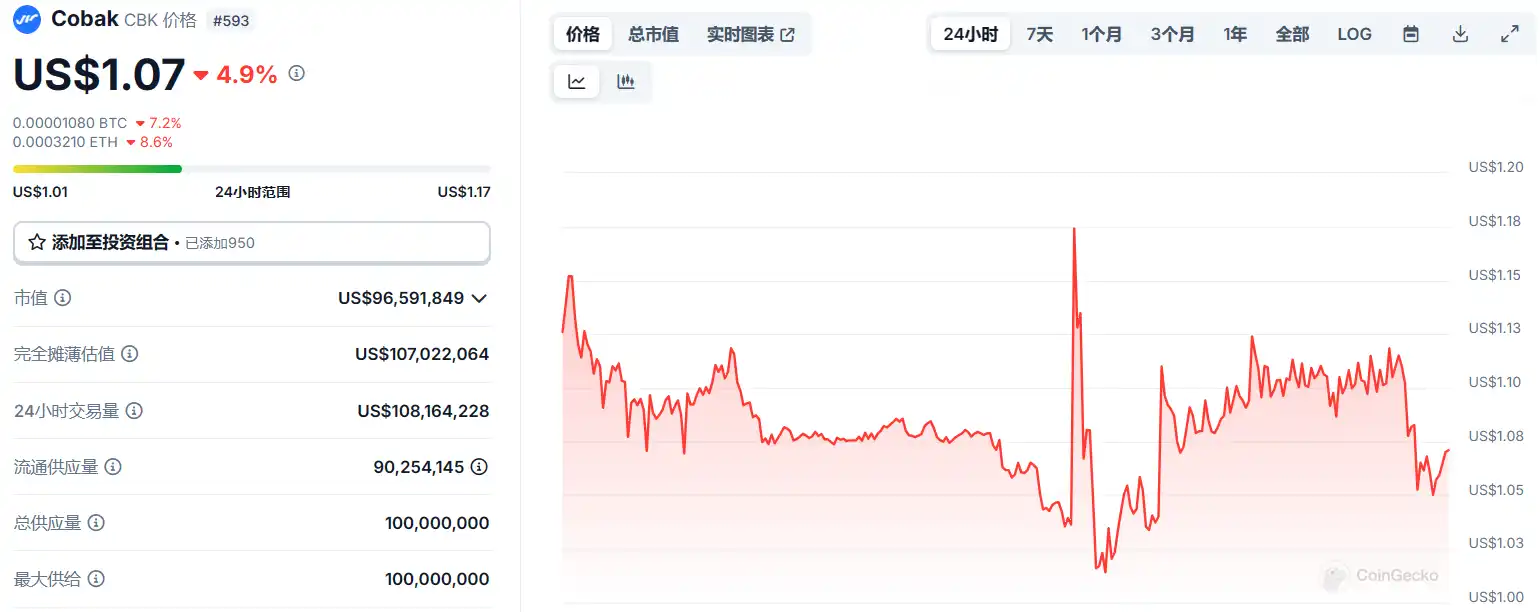
3.$GRASS
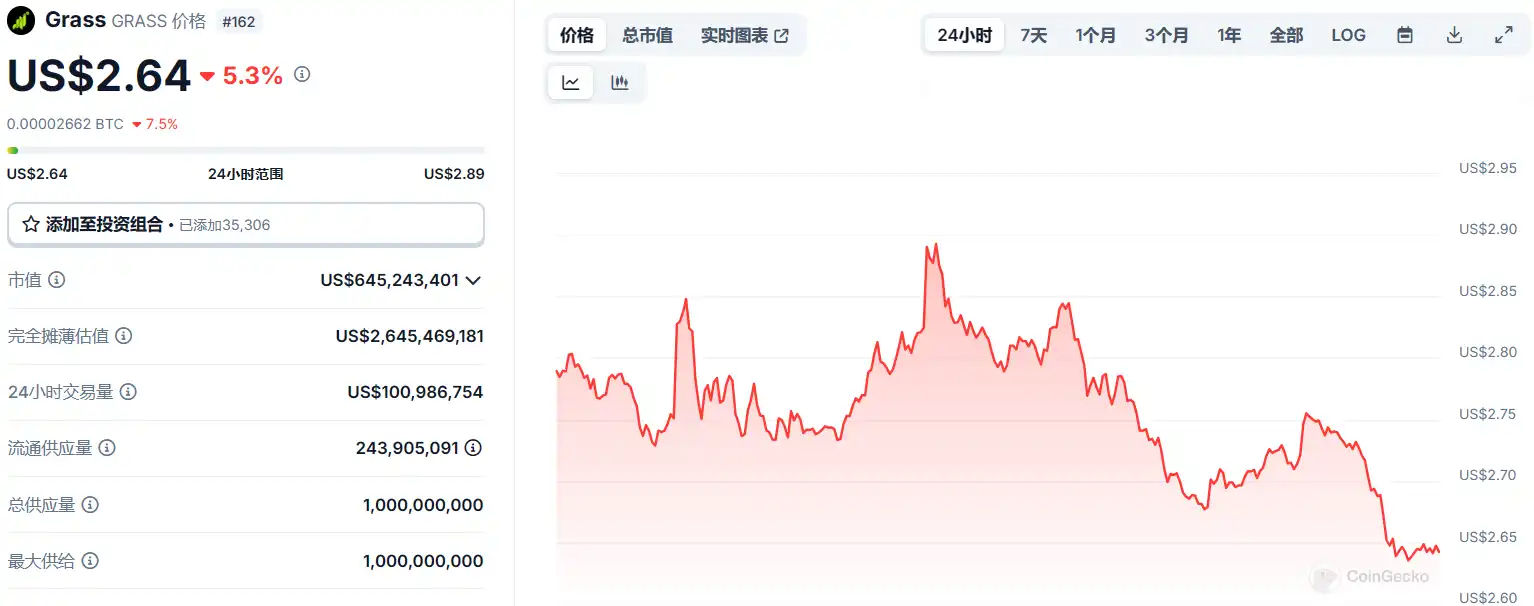
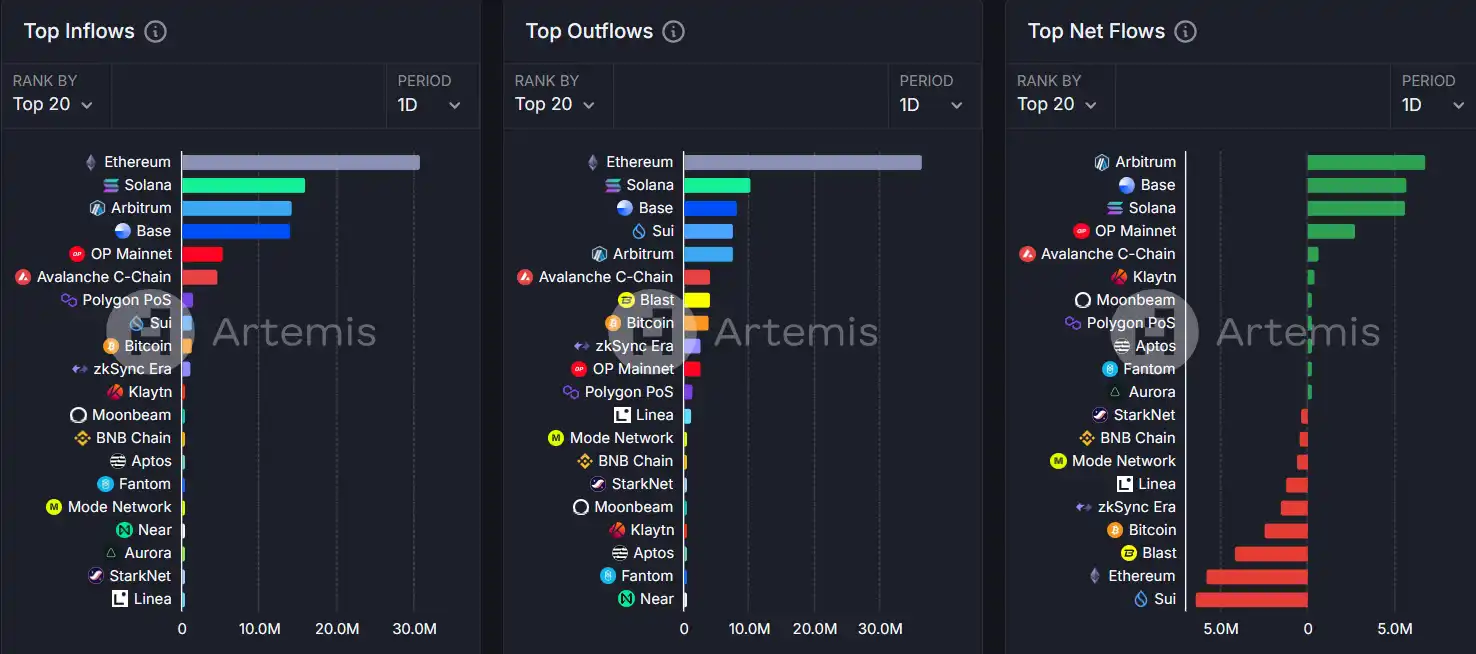
On-chain Data
On-chain Fund Flow on January 16
You may also like

WEEX Deposit/Withdrawal Dynamic Island: Your Asset Status, Always in Sight

Scaling Crypto Derivatives: The Digital Asset Infrastructure Behind High-Volume Trading
In the fast-moving digital asset ecosystem, derivatives platforms face an extreme architectural test. High-leverage futures markets demand more than just standard security—they require absolute operational precision, zero-latency matching engines, and ironclad structural scalability, all while navigating intense market volatility.
As global platforms scale to meet these demands, the industry is shifting away from rigid, monolithic setups toward a more agile, "decoupled" infrastructure philosophy.
The Blueprint for High-Volume Copy TradingFor elite global exchanges like WEEX (founded in 2018), this architectural choice becomes critical when scaling high-volume retail features like social copy trading. When thousands of users automatically mirror the real-time strategies of elite traders simultaneously, it triggers sudden, monumental spikes in concurrent transactional volume.
To prevent execution latency or settlement bottlenecks during these peak volatility events, a platform's primary engine must remain entirely dedicated to risk management, copy-trade synchronization, and order matching.
The Architectural Rule: New-generation platforms must separate front-end user execution engines from heavy backend infrastructural overhead to eliminate operational friction.
By separating these layers, platforms can maintain complete sovereignty over their trading environments and user experiences while strategically aligning with institutional-grade infrastructure ecosystems. This strategic framework allows modern exchanges to leverage advanced Digital Asset Custody infrastructure such as Cobo’s behind the scenes, ensuring that backend wallet management scales elastically alongside trading spikes.
Capitalizing on Market Momentum and 400× LeverageIn a derivatives arena where platforms offer up to 400× leverage on perpetual contracts, capital efficiency and market agility are core business metrics. To capture market momentum, an exchange needs the ability to rapidly expand its asset offerings, supporting everything from legacy crypto assets to sudden, trending altcoins across a massive library of trading pairs.
Adopting a flexible, scalable Wallet-as-a-Service (WaaS) solution such as Cobo’s could completely rewrite the development timeline for high-growth exchanges. Instead of spending months of engineering capital building out custom backend wallet architectures for every new blockchain network, platforms can deploy localized infrastructure in days.
This agility allows platforms to instantly scale their listings to over a thousand trading pairs without compromising security or delaying time-to-market. It mirrors the exact operational advantages seen during high-velocity market events, similar to how advanced wallet infrastructure empowers platforms during sudden asset surges; allowing exchanges to pass that speed and liquidity directly to their global user base.
A Mature Foundation for GrowthThe synergy between trusted infrastructure ecosystems and global trading platforms represents the natural evolution of a maturing crypto market. As WEEX continues to scale its global spot and derivatives offerings for over 6 million users, adopting robust backend paradigms proves that platforms no longer have to compromise between cutting-edge trading velocity and uncompromised structural security.

Morning Report | BitMine increased its holdings by 126,971 ETH last week; trader Eugene announced his exit from the crypto market

Wang Chuan: How can one not feel anxious after the neighbor Old Wang made thirty times profit by investing in storage stocks? (Seven) - A quarter-century cycle

Get Paid to Onboard? Try WEEX’s New Homepage with Rewards for Registration, Deposit & Trade

WEEX Custom Layout: Build Your Perfect Trading Workspace in Seconds

See “Buy Walls” & “Sell Walls” Instantly: WEEX Launches the Depth Chart for Smarter Trades

What Is Quick Trade on WEEX? 2 Ways WEEX Ends Chart-Panel Jumping
Morning News | Five major virtual asset platforms in South Korea have experienced 57 incidents of hacking and system failures in six years; Grayscale submits registration application for Canton ETF

Should we escape the peak? The principle of the tail-end market in the stock market

RootData: May 2026 Cryptocurrency Exchange Transparency Research Report

Founder of Baixing.com: My Experience with Claude Code in Fourteen Points

Yang Ge Gary: Agent Economics and AI Microeconomics
When reasoning becomes a scarce resource, who captures its value?

Jensen Huang dramatically "rescues" the South Korean stock market

Stablecoins vs Deposit Tokens: On the surface, they seem like opposing sides, but in reality, they are interconnected

Bitcoin Crash to $50,000 or Bear Trap Before $100,000? Deep Dive for WEEX Traders
How Could the SpaceX IPO Affect Bitcoin, Altcoins season, and Crypto Liquidity?
WEEX Deposit/Withdrawal Dynamic Island: Your Asset Status, Always in Sight
Scaling Crypto Derivatives: The Digital Asset Infrastructure Behind High-Volume Trading
In the fast-moving digital asset ecosystem, derivatives platforms face an extreme architectural test. High-leverage futures markets demand more than just standard security—they require absolute operational precision, zero-latency matching engines, and ironclad structural scalability, all while navigating intense market volatility.
As global platforms scale to meet these demands, the industry is shifting away from rigid, monolithic setups toward a more agile, "decoupled" infrastructure philosophy.
The Blueprint for High-Volume Copy TradingFor elite global exchanges like WEEX (founded in 2018), this architectural choice becomes critical when scaling high-volume retail features like social copy trading. When thousands of users automatically mirror the real-time strategies of elite traders simultaneously, it triggers sudden, monumental spikes in concurrent transactional volume.
To prevent execution latency or settlement bottlenecks during these peak volatility events, a platform's primary engine must remain entirely dedicated to risk management, copy-trade synchronization, and order matching.
The Architectural Rule: New-generation platforms must separate front-end user execution engines from heavy backend infrastructural overhead to eliminate operational friction.
By separating these layers, platforms can maintain complete sovereignty over their trading environments and user experiences while strategically aligning with institutional-grade infrastructure ecosystems. This strategic framework allows modern exchanges to leverage advanced Digital Asset Custody infrastructure such as Cobo’s behind the scenes, ensuring that backend wallet management scales elastically alongside trading spikes.
Capitalizing on Market Momentum and 400× LeverageIn a derivatives arena where platforms offer up to 400× leverage on perpetual contracts, capital efficiency and market agility are core business metrics. To capture market momentum, an exchange needs the ability to rapidly expand its asset offerings, supporting everything from legacy crypto assets to sudden, trending altcoins across a massive library of trading pairs.
Adopting a flexible, scalable Wallet-as-a-Service (WaaS) solution such as Cobo’s could completely rewrite the development timeline for high-growth exchanges. Instead of spending months of engineering capital building out custom backend wallet architectures for every new blockchain network, platforms can deploy localized infrastructure in days.
This agility allows platforms to instantly scale their listings to over a thousand trading pairs without compromising security or delaying time-to-market. It mirrors the exact operational advantages seen during high-velocity market events, similar to how advanced wallet infrastructure empowers platforms during sudden asset surges; allowing exchanges to pass that speed and liquidity directly to their global user base.
A Mature Foundation for GrowthThe synergy between trusted infrastructure ecosystems and global trading platforms represents the natural evolution of a maturing crypto market. As WEEX continues to scale its global spot and derivatives offerings for over 6 million users, adopting robust backend paradigms proves that platforms no longer have to compromise between cutting-edge trading velocity and uncompromised structural security.
Morning Report | BitMine increased its holdings by 126,971 ETH last week; trader Eugene announced his exit from the crypto market
Wang Chuan: How can one not feel anxious after the neighbor Old Wang made thirty times profit by investing in storage stocks? (Seven) - A quarter-century cycle
Get Paid to Onboard? Try WEEX’s New Homepage with Rewards for Registration, Deposit & Trade
WEEX Custom Layout: Build Your Perfect Trading Workspace in Seconds


